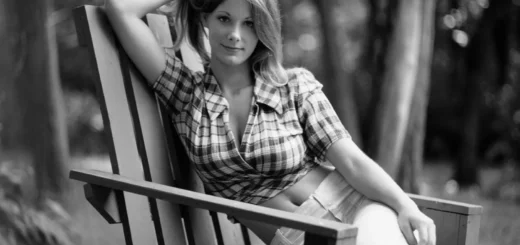
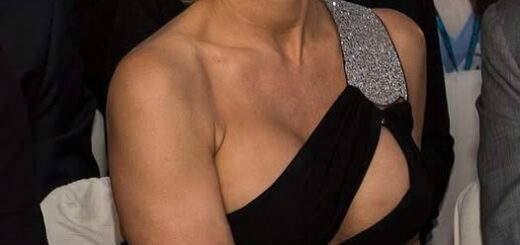
There is a specific and entirely involuntary thing that happens when you encounter a photograph of Julia Roberts that was taken at exactly the right moment — the smile catching before it is fully formed, the warmth arriving before the brain has processed what it is looking at, the quality that thirty years of cinematographers and photographers and magazine art directors have been chasing and that the best of them occasionally, briefly, partially manage to capture before it slips past the frame entirely.
The photographs of Julia Roberts that are making the rounds right now are the ones where somebody caught it — where the camera was in the right place at the right moment and Julia Roberts was, as she so often is when she is not thinking about being photographed, so completely and so effortlessly herself that the result is not a celebrity photograph but something closer to evidence, proof of something that the people who have been watching her for thirty years have always known and that the internet rediscovers with delighted regularity every time a new set of images surfaces and reminds everyone why she became Julia Roberts in the first place. At 57, in the chapter of her life that comes after everything the public chapters contained, she is carrying herself with the specific lightness of someone who has stopped performing contentment and started simply experiencing it — and the difference between those two things is visible in every image, written in the ease of every expression, and is precisely the reason that looking once is never quite going to be enough.